

 Kevin Perez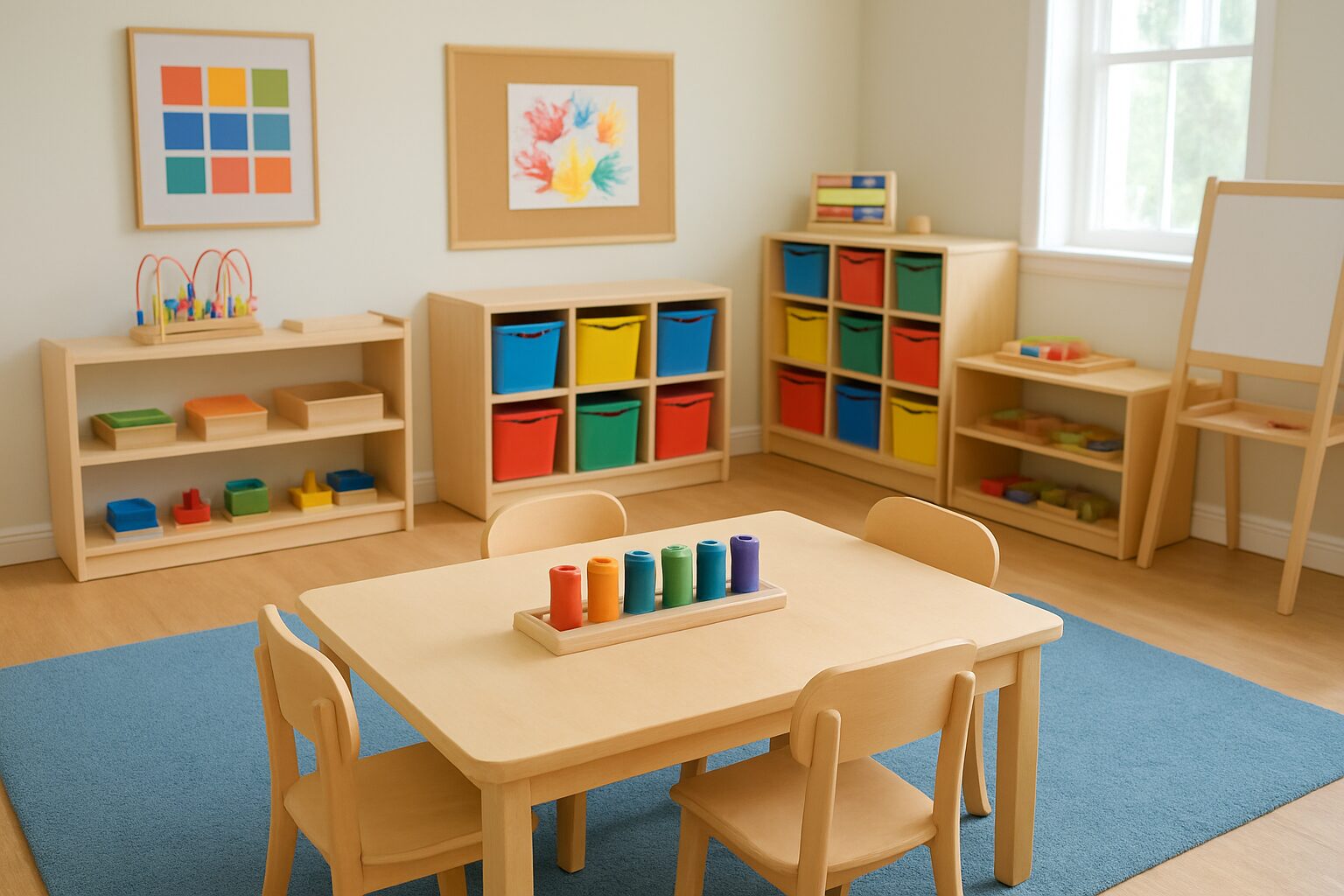
Early childhood is a remarkable stage when curiosity, confidence, and social awareness begin to take shape. Families often look for an educational environment that respects each child’s individuality while building a strong foundation for future learning. A thoughtfully designed Montessori school West Palm Beach can support this journey by combining purposeful activities, independence, exploration, and caring guidance in an engaging early-learning setting.
Jump To
- What makes early childhood education especially important?
- How does a Montessori-inspired environment encourage independence?
- Why is hands-on learning valuable for young children?
- How does the classroom support different learning styles?
- What role does the educator play in early childhood learning?
- How are social skills developed in an early-learning environment?
- Can early education encourage a lifelong love of learning?
- What should families consider when choosing an early childhood program?
- Why does the right beginning matter?
What makes early childhood education especially important?
The early years provide opportunities for children to develop habits that influence how they approach learning later in life. Beyond recognizing letters and numbers, children begin developing communication, concentration, coordination, problem-solving abilities, and social awareness. A strong early-childhood program therefore looks at the whole child rather than focusing only on academic milestones.
How does a Montessori-inspired environment encourage independence?
Independence develops when children are given meaningful opportunities to make choices and complete appropriate tasks on their own. In a carefully prepared classroom, materials are organized so children can select activities, work with purpose, and return materials when finished. This structure encourages responsibility while allowing educators to guide children without unnecessarily interrupting their natural learning process.
Why is hands-on learning valuable for young children?
Young children often understand concepts more effectively when they can interact directly with materials. Practical activities can strengthen coordination while also introducing early mathematical, language, sensory, and organizational concepts. Instead of relying exclusively on verbal instruction, hands-on experiences allow children to observe results, repeat activities, recognize patterns, and gradually develop deeper understanding.
How does the classroom support different learning styles?
Every child develops at an individual pace. Some children may become interested in language activities quickly, while others may spend more time exploring practical tasks, sensory experiences, or early mathematical concepts. A flexible classroom environment can accommodate these differences by providing varied learning opportunities and allowing children to revisit activities as their abilities develop.
What role does the educator play in early childhood learning?
Educators serve as observers, guides, and supportive mentors. Rather than directing every moment, they pay attention to each child’s interests, progress, concentration, and emerging abilities. This observation helps educators introduce suitable activities and provide encouragement when needed. Such an approach can help children become increasingly confident in managing their own learning experiences.
How are social skills developed in an early-learning environment?
Learning to cooperate is an important part of childhood development. Children naturally encounter situations where they must share space, communicate ideas, listen to others, and resolve small disagreements. Classroom routines and collaborative experiences can help children develop patience, respect, empathy, and appropriate communication. These social skills are valuable both inside and outside the classroom.
Can early education encourage a lifelong love of learning?
A positive first experience with education can influence how children view learning in the years ahead. When curiosity is encouraged and mistakes are treated as opportunities to try again, children can develop a healthier attitude toward challenges. Giving them time to explore and discover can also strengthen concentration and intrinsic motivation.
What should families consider when choosing an early childhood program?
Families should consider the classroom atmosphere, educational philosophy, teacher engagement, learning materials, daily routines, and opportunities for individual growth. It is also useful to understand how educators communicate with families and how children are supported as they move through different developmental stages. A welcoming environment should feel purposeful, nurturing, and responsive to children’s needs.
Why does the right beginning matter?
Early childhood education is about more than preparing children for their next classroom. It is an opportunity to nurture curiosity, independence, confidence, communication, and a positive relationship with learning. When children receive thoughtful guidance in an environment designed around their developmental needs, they can build meaningful skills that support continued growth.
A carefully structured early-learning experience can give children the freedom to explore while providing the consistency they need to feel secure. By combining purposeful activities, attentive guidance, social development, and opportunities for independent discovery, early childhood education can create a strong and inspiring foundation for the years of learning ahead.
Quick Summary
- Early childhood education focuses on developing a child’s communication, concentration, coordination, problem-solving abilities, and social awareness.
- A Montessori school setting encourages independence by providing children with meaningful opportunities to make choices and complete tasks on their own.
- Hands-on learning helps young children understand concepts more effectively through direct interaction with materials, enhancing their coordination and introducing early academic concepts.
- Educators in early childhood learning environments act as observers and supportive mentors, tailoring activities to each child’s interests and developmental progress.
- Social skills are developed through classroom routines and collaborative experiences, teaching children patience, respect, empathy, and appropriate communication.
- A positive early education experience can cultivate a lifelong love of learning by fostering curiosity and framing mistakes as opportunities for growth.